Technology / Geiger-mode

You probably think you know what Geiger-mode is.

Much of what the industry “knows” comes from early systems that never delivered on the promise. Modern Geiger-mode is a different animal — and it changes what’s possible in airborne mapping.
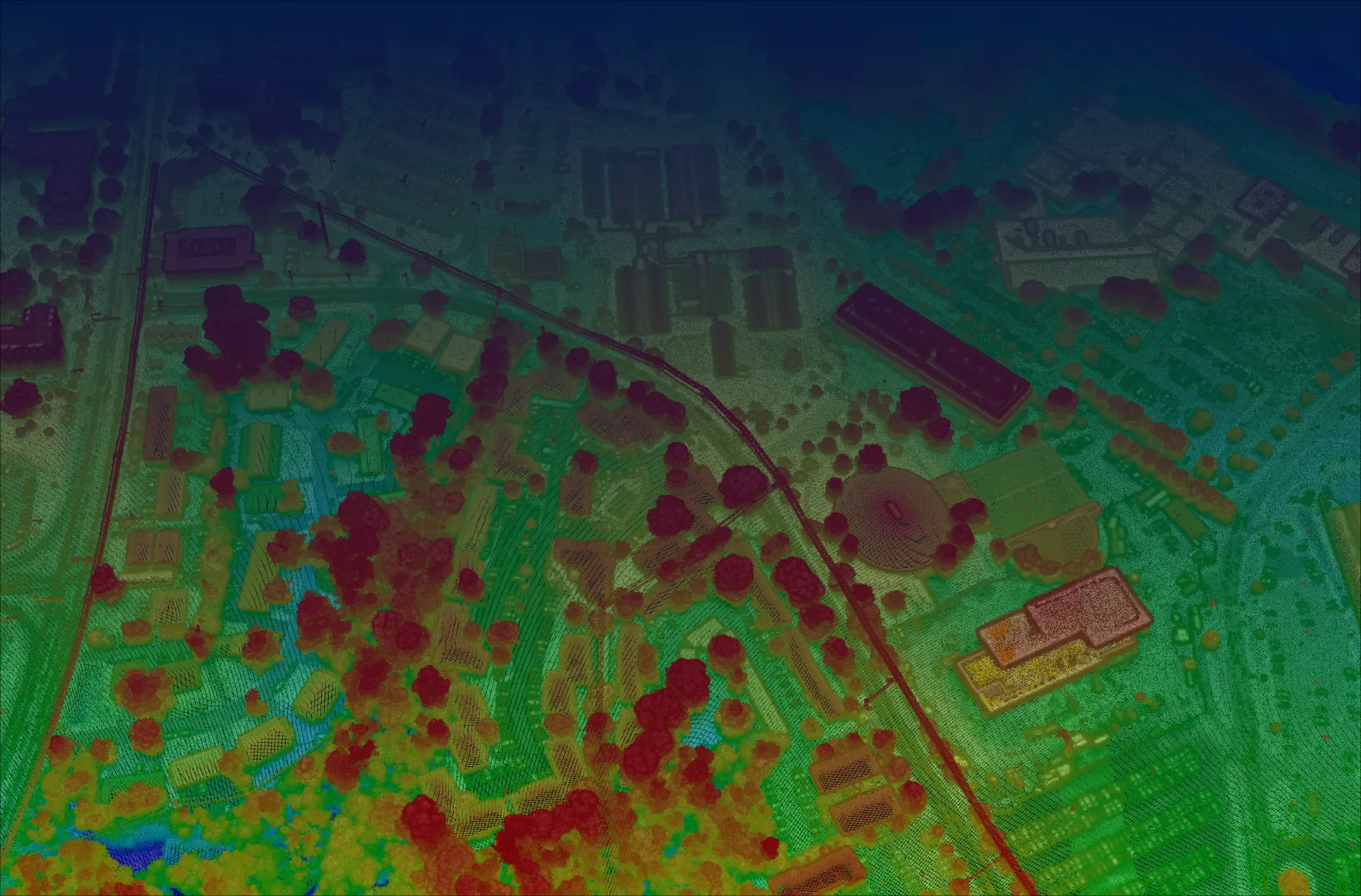
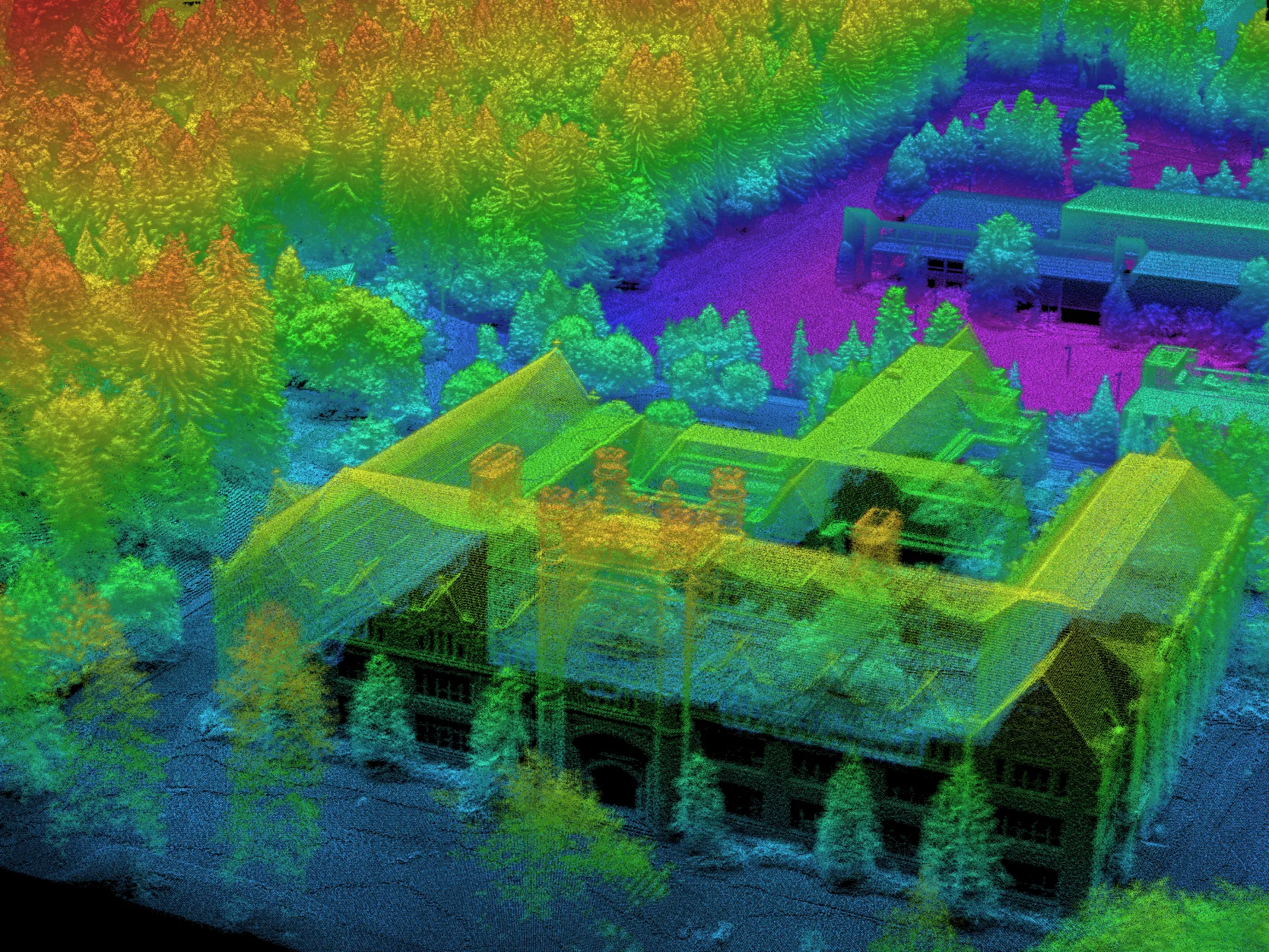
Sequoia Geiger-mode point cloud — University of Missouri
The honest comparison

Linear-mode vs. Geiger-mode.

The difference starts at the level of a single photon — and ripples all the way out to cost.

Conventional / linear-mode
  • ×Requires thousands of photons per return, capping altitude and speed
  • ×Low flying, narrow swaths, repeated overlapping passes
  • ×Expensive to reach useful density over wide areas
  • ×Shadowing under canopy and within urban canyons
3DEO Geiger-mode
  • Detects a return from just a few photons — fly higher, faster, wider
  • High resolution from 30,000+ ft at roughly 1-foot detail
  • Agile scanning captures 4–6 viewpoints in a single pass
  • Shadows mitigated; finished, validated point clouds

How it works

Conventional linear-mode lidar measures the intensity of a returning laser pulse, which requires thousands of photons to register a confident return. That photon budget forces you to fly low and slow to collect enough signal.

3DEO’s Geiger-mode detectors are single-photon sensitive: each pixel in the array fires when it detects just a few returning photons. Because so little light is needed, the same laser energy can be spread across a much wider area from much higher altitude — while still resolving fine detail.

Individual photon detections include real returns and noise. 3DEO’s processing aggregates millions of detections per second and statistically separates signal from noise, producing a clean, dense, validated point cloud.

Fly higher

Operate from 30,000+ feet — clear terrain and airspace, and image a wide strip in a single line.

Fly faster

Cover thousands of square kilometers per day; less flight time means lower cost per area.

Keep the detail

Roughly 1-foot resolution with ~5 cm typical vertical precision, even from altitude.

Density on demand

30–100+ points per square meter where the application calls for it.

Digital defoliation point cloud
Why it matters

Far more accurate data, faster — for less.

If you care about the accuracy of your data, the speed of collection, or doing something impactful with it afterward, the economics favor Geiger-mode decisively.

  • Wide-area coverage that linear-mode can’t match on schedule or budget
  • Multi-angle capture that sees under canopy and into urban canyons
  • Finished, analysis-ready deliverables — not just raw returns
Go deeper

The technical record.

We publish our work. These papers cover resolution, precision, and real-world performance of Geiger-mode systems.

Want to see what Geiger-mode looks like on your terrain?

Book a call to talk through your environment, or request representative point clouds for review.